


 Menu
 Back
5 Common Mistakes to Avoid When Installing Patio Pavers
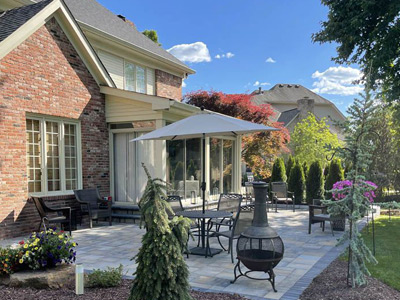 Installing patio pavers can be a rewarding way to upgrade your outdoor space, whether you are designing a new patio or renovating an existing one. Pavers offer a durable, attractive solution for patios, walkways, and driveways, but the installation process requires careful attention to detail.
Though it may seem like a simple DIY task, several common mistakes can affect your patio's long-term durability, appearance, and functionality.
Here, the Preferred Outdoor Designs, LLC team discusses five common mistakes to avoid when installing patio pavers. Understanding these mistakes and taking steps prevent them ensure your project goes smoothly and your patio remains stable, functional, and beautiful for a long time.
1. Skipping Proper Site Preparation
Proper site preparation is crucial for a successful patio paver installation. Many homeowners skip this step, thinking it will save time. However, an improperly prepared site can lead to uneven surfaces, drainage issues, and paver movement over time. Before laying pavers, clear the area of any grass, weeds, or debris then level and compact the surface.
2. Neglecting Proper Drainage
Drainage is essential when installing patio pavers. Without a proper drainage plan, water will accumulate on your patio, leading to erosion, puddles, or even shifting pavers. A slight slope of 1/4 inch per foot from the center to the outer edges ensures water runs off the surface rather than pooling. The slope should be toward the yard or away from structures like your home or shed to prevent water from seeping into the foundation.
3. Using Inadequate Base Materials
The base material is the foundation of your patio, so choosing the right materials is crucial. Some people make the mistake of using only sand to create a base, but this can lead to shifting pavers and uneven surfaces. Instead, use crushed stone or gravel as the primary base, followed by a layer of sand on top. The crushed stone provides stability and helps with drainage, while the sand provides a level bedding surface for the pavers. Compact the base thoroughly before placing the pavers to create a solid, long-lasting foundation.
4. Forgetting to Fill the Joints Between Pavers
Once the pavers are laid, filling the joints between them is essential. If left unfilled, the gaps will allow weeds to grow and may lead to shifting pavers. The most common material used to fill these joints is polymeric sand, which hardens when wet and helps lock the pavers into place. Sweep the sand into the joints and use a compactor to settle it before adding more sand. Ensure that the joints are filled, as this will prevent weed growth and keep the patio stable.
5. Improper Cutting of Pavers
You must make accurate cuts along the edges, curves, or around obstacles such as trees or garden beds to create a polished, professional-looking patio. Many people overlook the importance of precise cutting, which can lead to unsightly gaps and uneven edges. A masonry saw or a specialized paver cutter is best for achieving clean, straight cuts. When cutting, take your time to measure carefully and cut accurately to ensure the pavers fit snugly together, giving your patio a cohesive and aesthetically pleasing appearance.
How Experienced Hardscaping Contractors Can Help
Avoiding these common mistakes helps ensure that your patio pavers are installed correctly, resulting in a long-lasting and beautiful outdoor space. If you're unsure about any steps or want a professional result, consider working with experienced hardscaping contractors.For details about our patio paver services, contact Preferred Outdoor Designs, LLC via our online form. You can also call us at 502-245-3997, and we will get back to you shortly.