


 Menu
 Back
Types of Retaining Walls
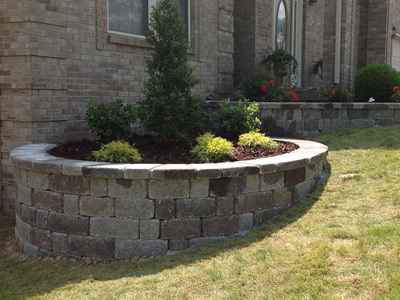 Retaining walls are crucial in landscaping and construction, effectively holding back soil to create level surfaces on uneven terrain. These walls not only provide functional benefits but also contribute to the aesthetic appeal of a property. Preferred Outdoor Designs, LLC provides customized retaining wall services. We design and install different types of retaining walls for residential and commercial properties.
Different properties require specific retaining walls due to variations in factors like soil composition, wall height, aesthetic preferences, and intended use. For instance, taller walls may necessitate anchored or cantilever retaining walls for added stability.
Soil conditions can dictate the choice of materials and construction methods. Aesthetic considerations may favor masonry or segmental retaining walls to complement the property's appearance. Some common retaining wall types include:
1. Gravity Retaining Walls
Construction: Gravity retaining walls rely on their sheer weight to counteract the pressure exerted by the soil behind them. Common materials include concrete or stone, and their advantages include the following:- Effective for moderate-height walls.
- Minimal need for complex engineering.
- Durable, with potentially long service life.
2. Cantilever Retaining Walls
Cantilever retaining walls adopt a T-shaped design with a footing that extends beneath the wall and helps resist soil pressure. They are typically constructed using reinforced concrete. The advantages of cantilever include the following:- Suited for taller walls.
- Efficient utilization of materials.
- Reliable stability when properly designed and constructed.
3. Anchored Retaining Walls
These walls incorporate cables or rods that extend into the soil behind the wall, enhancing stability. This reinforcement is beneficial for taller walls. The specific advantages of these walls include the following:- Suitable for areas where taller supporting structures are required.
- Can provide additional stability when properly engineered.
- May reduce the need for a thicker wall.
4. Segmental Retaining Walls (SRWs)
These walls use precast concrete blocks that interlock to form a stable structure. They come in various shapes, sizes, and colors, allowing for versatile design possibilities. The advantages of these walls include the following:- Versatile and visually appealing.
- Relatively easy to install and modify.
- Suitable for a wide range of wall heights, depending on the system and engineering requirements.
5. Masonry Retaining Walls
Masonry retaining walls are constructed using bricks, concrete blocks, or natural stone, offering both durability and a classic appearance. The benefits of these walls are as follows:- Aesthetic versatility with various material options.
- Long service life and low maintenance.
- Applicable in a wide range of residential and commercial landscaping projects.
- Masonry retaining walls can enhance the the visual appeal of both residential and commercial spaces.