


 Menu
 Back
How Long Do Pavers Last? Lifespan By Material and Use
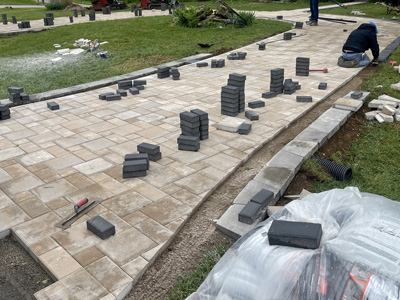 Pavers have become increasingly popular for driveways, patios, and walkways due to their durability and aesthetic appeal. However, their lifespan varies significantly based on material composition, installation quality, and usage patterns. Understanding these factors helps homeowners make informed decisions about their hardscaping investments. Quality pavers can last anywhere from 20 to 100 years or more when properly installed and maintained, making them a cost-effective long-term solution for outdoor surfaces.
Paver Types and Lifespan
Here, the Preferred Outdoor Designs, LLC team discusses the lifespan of different pavers by material and use:Concrete Pavers
Concrete pavers typically last 25 to 50 years under normal residential conditions. These manufactured units offer excellent value for money and come in numerous styles, colors, and textures. High-quality concrete pavers, when combined with a suitable concrete mix and proper manufacturing and curing, can effectively withstand freeze-thaw cycles and moderate traffic loads.The longevity of concrete pavers depends heavily on several factors, including their strength, thickness, base preparation, drainage and intended use. Pavers designed for residential application can generally handle foot traffic and, when properly specified and installed, vehicles loads. Heavier applications may require pavers with greater strength and thickness. Proper sealing when recommended by the manufacturer can help protect against staining, weathering, and surface degradation.
Natural Stone Pavers
Natural stone pavers represent the premium tier of hardscaping materials, often lasting for many decades with minimal maintenance. Granite, limestone, sandstone, and slate each offer unique characteristics that affect their durability and appearance over time.Granite pavers are among the most durable options offering good resistant to scratching, staining, and weather damage. Their dense composition makes them ideal for high-traffic areas and harsh climates. Limestone pavers offer a classic appeal but require more meticulous maintenance due to their susceptibility to acid rain and certain cleaning products. Sandstone can offer good slip resistance and comes in warm, earthy tones; however, softer varieties may exhibit wear patterns sooner than harder stones.
Brick Pavers
Clay brick pavers can last for many decades when manufactured and installed correctly. These traditional materials have proven their durability in historical applications, with many century-old brick streets still functioning today. The firing process creates a dense, weather-resistant surface that actually improves with age as the brick develops a natural patina.Modern brick pavers benefit from improved manufacturing techniques that ensure consistent quality and strength, and individual bricks can often be replaced when necessary. They excel in freeze-thaw environments and resist fading, though individual bricks may occasionally crack under extreme stress.
Factors Affecting Paver Longevity
Climate conditions significantly impact paver lifespan across all materials:- Regions with frequent freeze-thaw cycles test the durability of any paving material, as water expansion can cause cracking and shifting.
- Areas with intense UV exposure may cause color fading in certain paver types, particularly lower-quality concrete options.
- Traffic load determines how quickly pavers will show signs of wear. Residential foot traffic creates minimal stress, while driveways supporting heavy vehicles require more robust materials and installation methods.
- Pool decks face unique challenges from chlorinated water and pool chemicals, making chemical resistance and proper drainage important considerations.
- Installation quality often determines whether pavers reach their full lifespan potential. Poor drainage can undermine even the highest-quality pavers by causing erosion and settlement issues in the base.
Maintenance Requirements by Material Type
Concrete pavers require periodic cleaning and, when recommended, sealing to maintain their appearance and structural integrity. Joint sand replacement can help limit weed growth and maintains proper paver spacing. Natural stone pavers need material-specific care routines. Regular sweeping and occasional professional cleaning help preserve their natural beauty, while compatible sealers, when appropriate, can enhance stain resistance without compromising the stone's breathability. Brick pavers typically require the least maintenance among paving options. Occasional cleaning and joint sand replenishment usually suffice to keep them looking their best.For information on our paver installations, call Preferred Outdoor Designs LLC at 502-245-3997. You can also contact us via our online form, and one of our experts will get back to you shortly.